
The Evolution of Disability Management Roles in Ontario Workplaces with AI Deployment
12/28/20252 min read
Introduction to AI in Disability Management
As artificial intelligence (AI) technology continues to advance, its impact on various sectors becomes increasingly profound. In Ontario, workplaces are beginning to recognize the transformative potential of AI, particularly in the realm of disability management. The role of disability management professionals is evolving rapidly, demanding new skills and approaches to effectively integrate these technologies in the workplace.
Understanding the Current Role of Disability Management Professionals
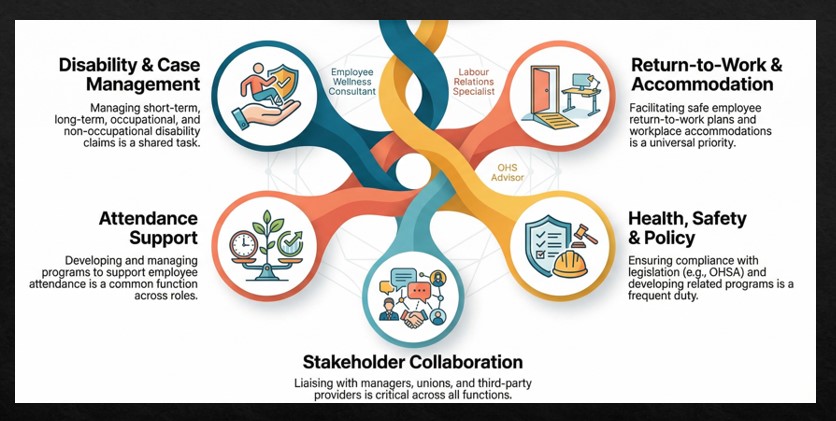
Traditionally, disability management professionals in Ontario have acted as liaisons between employees, healthcare providers, and employers, ensuring that individuals with disabilities receive the support they need. Their duties include assessing employee needs, developing accommodation plans, and fostering an inclusive work environment. However, as AI technologies such as Agentic AI are deployed, the landscape of disability management is set to change significantly.
The Anticipated Changes in Disability Management with AI
With the integration of AI systems, Disability Management roles may find their boundaries overlapping with Human Resources & Safety roles within Ontario workplaces. AI can analyze vast amounts of information, allowing professionals to gain insights into employee health patterns, assess worker fatigue, equipment performance and inclement weather conditions, like the icy-storm that hit Southern Ontario on December 26, 2025. By using data driven predictive analytics, disability managers will be able to identify potential challenges before they escalate, facilitating proactive rather than reactive management. Additionally, AI-powered tools can streamline administrative processes, freeing up time for disability management professionals to focus on strategic initiatives and optimize workplace accommodations.
Moreover, AI can enhance communication between all parties involved in disability management. Virtual assistants can make calls and provide immediate responses to employee inquiries, improving accessibility and efficiency. This shift not only supports employees with disabilities but also fosters a culture of inclusivity within the organization.
Preparing for the Future: Workplace Health Management
As Agentic AI deployment builds momentum and disability management evolves into health management, there will be a pressing need for continuous education and training in AI applications. Professionals must become adept at not only interpreting data but understanding how AI can be harnessed to promote workplace health management including but not limited to accessibility, inclusivity, health promotion, infection prevention, disability management, staff safety and wellness. Employers should consider investing in training programs that equip health management teams with the necessary skills to leverage these technologies effectively and evolve adeptly.
Additionally, collaboration between technology developers and health management professionals will be crucial. By working together, these stakeholders can ensure that AI solutions are tailored to meet the unique requirements of 'workforce in need', enhancing both their workplace experiences and overall well-being.
Conclusion: Embracing Change for a More Healthier and Safer
Workplace
In conclusion, the deployment of AI in Ontario workplaces signifies a pivotal moment for disability management. As roles evolve, embracing these changes will not only improve operational efficiency but also cultivate a more inclusive environment for workforce-in-need.. By adapting to these advancements, workplace health management professionals will play a vital role in shaping the future of workplace inclusivity, productivity and support.

Contact
Reach out for tailored AI solutions.
connect@versilient-innovations.com
© 2025. All rights reserved.